
Fraxel® laser treatment is a fractional skin resurfacing procedure that helps to smooth, brighten and rejuvenate the skin without surgery. It works by creating thousands of microscopic treatment zones in the skin. These tiny columns of energy target damaged cells and trigger your body to produce fresh collagen and new skin cells.
Over time, this process improves fine lines, acne scarring, pigmentation and general texture. Fraxel® is designed to refresh the skin from within while keeping downtime manageable compared to more aggressive resurfacing treatments.
The treatment is usually described as non-ablative or minimally ablative. That means it works mainly below the surface of the skin, stimulating renewal and collagen production without completely removing the outer layer. As your skin repairs itself, older damaged cells are gradually replaced, leaving it smoother, clearer and more even in tone.
As we age, collagen and elastin naturally break down. At the same time, sun exposure, pollution and past breakouts can leave the skin with pigmentation, roughness and scarring. Many people also find their complexion looks dull or tired even when they are looking after it well.
Fraxel® is chosen by people who want noticeable improvement without surgery. It is particularly helpful if you would like to:
It is suitable for both men and women and can be used on the face, neck, décolletage and hands, as well as selected areas of the body. For those looking for deeper rejuvenation than a peel or facial can offer, but who are not ready for full ablative laser, Fraxel® can be an excellent middle ground.
Fraxel® is a versatile treatment that can address multiple concerns at the same time.
Fraxel® helps to remodel the collagen beneath the surface of the skin. With a course of treatments, the depth and visibility of rolling and boxcar acne scars can be reduced and the skin appears more even.
By stimulating new collagen and elastin, Fraxel® helps to soften fine lines and improve the overall firmness and elasticity of the skin. This is particularly useful around the eyes, forehead and mouth.
Fraxel® can help to fade sun spots, age spots and uneven pigmentation. As the treated skin renews itself, discolouration gradually lightens and the complexion becomes more uniform.
As collagen is rebuilt, the skin becomes smoother and pores can appear less visible. Many people report that their skin feels softer and looks more refined.
On suitable areas of the body, Fraxel® may also improve the appearance of stretch marks and mild skin laxity by strengthening the deeper layers of the skin.
Your practitioner will assess your skin and advise which concerns can realistically be improved and what kind of result you can expect.
These focus more on the upper layers of the skin. They are often used for mild pigmentation, early fine lines or general brightening. Downtime is usually shorter, with a few days of redness and dryness.
These reach further into the dermis to target more stubborn scarring, deeper wrinkles or long-standing sun damage. They can involve slightly more redness and swelling and may require a few more days of recovery.
Your practitioner may suggest starting with milder settings and then adjusting the depth as they see how your skin responds. The aim is always to balance results with comfort and downtime.
Your Fraxel® journey begins with a consultation, where your practitioner will examine your skin, take a medical history and discuss your concerns in detail. They will explain what the treatment can do, how many sessions you may need and what the recovery will involve.
On the day of treatment, the steps usually include:
Your skin is thoroughly cleansed to remove make-up, oil and sunscreen.
A numbing cream is applied to the treatment area and left on the skin for around thirty to sixty minutes. This helps to make the procedure more comfortable.
You will be given protective goggles or eye shields to wear during the treatment.
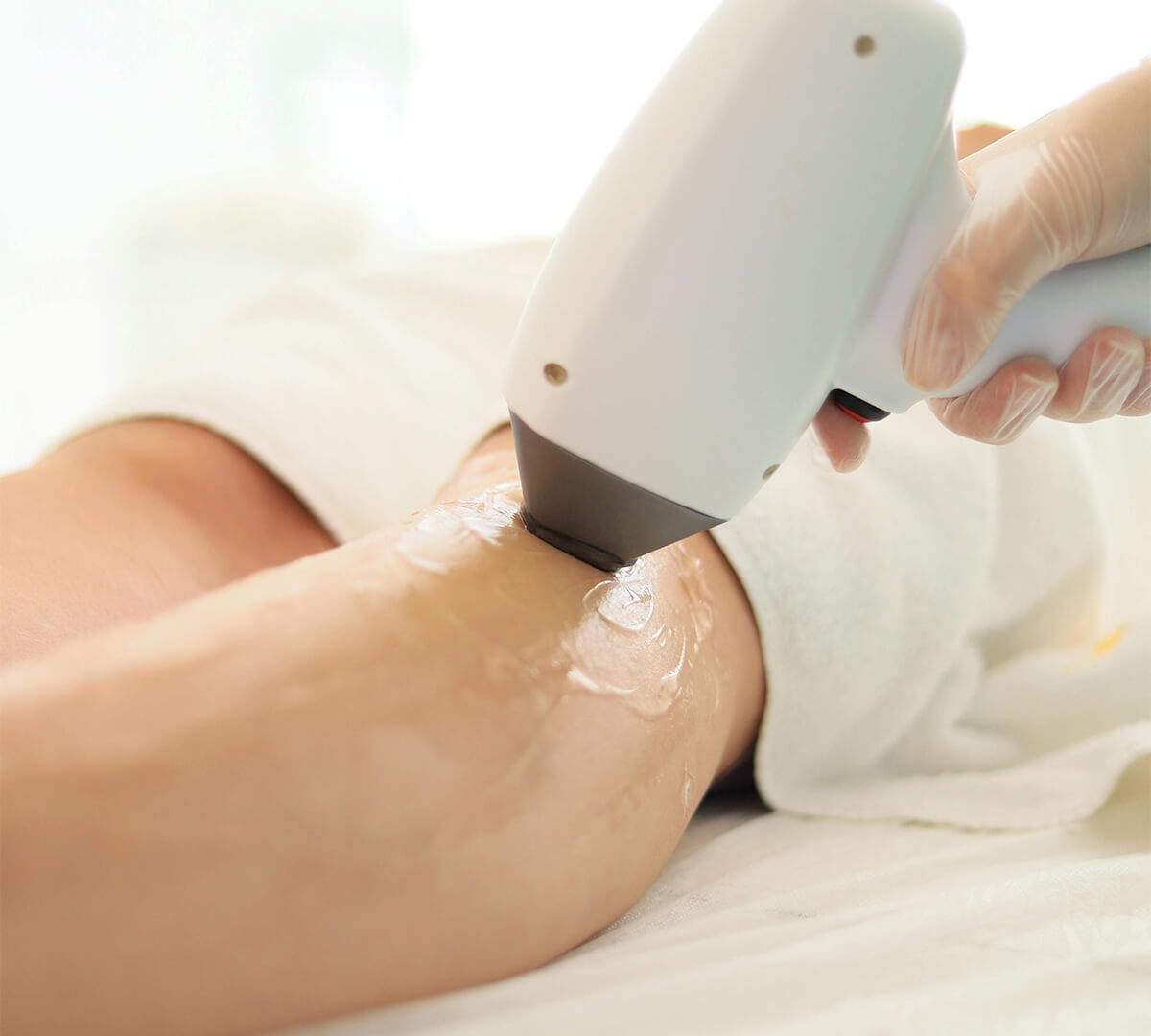
Once your skin is numb, the Fraxel® handpiece is passed over the area in a controlled pattern. You may feel a warm, prickling sensation as the laser pulses. Some devices include cooling to reduce heat and discomfort.
After the treatment, your skin may feel hot and appear red. A cooling gel or barrier cream is applied to calm and protect the area.
The laser part of the treatment usually takes between 20-45 minutes depending on the size of the area. You should allow extra time for numbing and aftercare.
Preparing your skin properly helps to achieve a smooth treatment and recovery. Your practitioner will give you personalised guidance, but the following steps are commonly advised.
Try to avoid strong sun and sunbeds for at least two weeks before your appointment. Use a broad-spectrum SPF 30 or higher every day, even on cloudy days.
Stop using retinoids, strong exfoliating acids and harsh scrubs for around one week before treatment unless your practitioner tells you otherwise. This reduces the risk of irritation.
Let your practitioner know about any medications you are taking and any medical conditions or previous skin procedures. If you are prone to cold sores, you may be given antiviral tablets as laser treatment around the mouth can sometimes trigger an outbreak.
Use gentle, non-fragranced cleansers and moisturisers in the weeks before treatment. Healthy, hydrated skin generally responds and heals better.
Immediately after Fraxel®, your skin will look red and feel warm, similar to moderate sunburn. Mild swelling, especially around the eyes, is common.
During the first twenty four to forty eight hours, the heat and redness are usually at their peak. Cool compresses and the recommended creams can help to reduce discomfort.
Over the next few days, the skin often feels tight and slightly rough, sometimes with a bronzed or sandpaper-like texture as microscopic treated areas come to the surface. Light flaking or peeling then follows as old cells shed.
Most people can return to normal daily activities within a few days, although you may prefer to plan social events around the initial redness and flaking period. Your practitioner will advise when it is safe to start wearing make-up again, which is usually after the surface has settled.
Although the visible surface healing is relatively quick, changes in texture, scarring and pigmentation continue to develop for several weeks. New collagen forms beneath the surface, so results build gradually rather than appearing all at once.
Fraxel® is usually performed as a course of treatments rather than a single session. The exact number depends on your starting point and your goals. For mild texture changes, early fine lines or light pigmentation, three to four treatments spaced about four to six weeks apart are often enough. For deeper acne scarring or more advanced sun damage, four to six sessions may be recommended. In these cases, your practitioner may allow more time between treatments to support deeper healing. Your progress is reviewed at each visit and the plan can be adjusted if needed. It is important to remember that Fraxel® relies on gradual collagen remodelling, so results become more visible over time.
Fraxel® works by improving the underlying structure and health of the skin rather than simply treating the surface. Many of the benefits, particularly in scarring and texture, can be long lasting. However, the skin will continue to age naturally. Sun exposure, lifestyle and general health all influence how long your results will be maintained. Most people find their skin looks fresher and more even for many months or years after completing a course of treatments. To maintain the outcome, your practitioner may suggest maintenance sessions every twelve to twenty four months, combined with a good skincare routine and daily sun protection.
Fraxel® is a well established and widely used fractional laser treatment with a strong safety record when performed by trained practitioners using medical grade equipment. Like all advanced procedures, it does carry some risks. These can include prolonged redness, temporary changes in pigmentation, infection or, in rare cases, scarring. Careful assessment, patch testing where appropriate and following aftercare advice all help to minimise these risks. Before you go ahead, your practitioner will explain the potential benefits and side effects and will answer any questions you may have.
Fraxel® is suitable for many adults who want to improve texture, pigmentation or early signs of ageing. It can be tailored for different skin types and concerns, and is often a good option for people seeking a balance between effective results and manageable downtime. During your consultation, your practitioner will examine your skin, discuss your goals and decide whether Fraxel® is the most appropriate treatment or whether another option may be more suitable.
Fraxel® may not be appropriate in certain situations. You will usually be advised to avoid or postpone treatment if you are pregnant or breastfeeding, have an active skin infection, cold sore or open wound in the area, or have had very recent sunburn. If you have taken strong acne medication such as isotretinoin in the past six to twelve months, your practitioner may recommend waiting before undergoing Fraxel®. Those with a history of keloid or hypertrophic scarring, certain medical conditions or medications that affect healing will need careful assessment and may be advised against this type of laser treatment. These points will all be covered in your consultation to ensure your safety and suitability.
Good aftercare is an essential part of your Fraxel® journey. Keep the area clean and hydrated. Use the gentle cleanser and moisturiser recommended by your practitioner. Avoid active ingredients such as retinol or acids until you are told it is safe to reintroduce them. Protect your skin from the sun. Apply a broad-spectrum SPF 30 or higher every morning and reapply during the day if you are outdoors. Avoid tanning beds and prolonged sun exposure while your skin is healing. Avoid heat and friction for the first couple of days. Hot baths, saunas, steam rooms and intense exercise can increase redness and swelling, so it is best to wait until your practitioner confirms they are safe. Do not pick or peel flaking skin. Allow it to shed naturally to reduce the risk of marks or infection. If you are unsure about any aspect of your recovery, contact your clinic for advice.
The cost of Fraxel® laser treatment depends on the size of the area, the number of sessions required and the complexity of your case. Prices vary between clinics and regions, but the following guide reflects typical UK ranges.
Most people are recommended a course of treatments, so clinics often provide package prices for multiple sessions or combined areas. During your consultation, your practitioner will give you a personalised treatment plan and a clear quotation before you decide whether to proceed.
Fraxel® is one of the most commonly used laser treatments for atrophic acne scars such as rolling and boxcar scars. It helps by stimulating new collagen and gently remodelling the scar tissue. Deeper scars may need a combination of treatments, which your practitioner will discuss with you.
Thanks to numbing cream and cooling, most people find Fraxel® tolerable. The sensation during treatment is usually described as warm prickling. After the session, the skin can feel hot, like sunburn, for a few hours before it settles.
You should allow around 90 minutes for a full face appointment. This is from start to finish, including time for numbing and aftercare. The laser treatment itself usually takes between twenty and forty-five minutes depending on the size of the area.
Fraxel® is often part of a wider treatment plan. It can be combined with medical skincare, peels, microneedling or injectable treatments, although these are usually spaced out so that the skin has time to recover between procedures. Your practitioner will design a safe and balanced plan based on your individual needs.
Join the UK’s most trusted aesthetic and skin clinic platform. Connect with thousands of qualified patients actively searching for your treatments.
Showcase your expertise, display verified reviews, and grow your practice.
| Cookie | Duration | Description |
|---|---|---|
| cookielawinfo-checkbox-analytics | 11 months | This cookie is set by GDPR Cookie Consent plugin. The cookie is used to store the user consent for the cookies in the category "Analytics". |
| cookielawinfo-checkbox-functional | 11 months | The cookie is set by GDPR cookie consent to record the user consent for the cookies in the category "Functional". |
| cookielawinfo-checkbox-necessary | 11 months | This cookie is set by GDPR Cookie Consent plugin. The cookies is used to store the user consent for the cookies in the category "Necessary". |
| cookielawinfo-checkbox-others | 11 months | This cookie is set by GDPR Cookie Consent plugin. The cookie is used to store the user consent for the cookies in the category "Other. |
| cookielawinfo-checkbox-performance | 11 months | This cookie is set by GDPR Cookie Consent plugin. The cookie is used to store the user consent for the cookies in the category "Performance". |
| viewed_cookie_policy | 11 months | The cookie is set by the GDPR Cookie Consent plugin and is used to store whether or not user has consented to the use of cookies. It does not store any personal data. |