
Acne is a common skin condition that affects people of all ages, although it’s most common during the teenage years and early adulthood. It occurs when hair follicles become blocked with oil, dead skin cells and bacteria, leading to blackheads, whiteheads and inflamed spots.
While acne itself can clear over time, it can sometimes leave behind long-term marks or uneven texture on the skin known as acne scars. These scars form when inflammation damages the deeper layers of the skin, disrupting the normal healing process.
There are several types of acne scars, and understanding which type you have is important when choosing the right treatment. Most people have a combination of scar types, which is why a tailored approach is essential for the best results.
Ice pick scars are small, narrow and deep, resembling tiny holes or pits in the skin. They often appear on the cheeks or forehead and are usually caused by severe, cystic acne. Because they extend deep into the skin, they can be difficult to treat with surface-level treatments alone. Techniques such as TCA CROSS, microneedling or fractional laser resurfacing are often recommended to remodel the deeper layers of skin and stimulate new collagen growth.
Rolling scars create a wave-like or uneven texture across the skin. They are usually the result of long-term inflammation that causes fibrous bands of tissue to form under the skin, pulling it down and creating shallow dips. Treatments that break up these bands, such as subcision, followed by microneedling or laser resurfacing, can help to smooth the surface and restore a more even tone.
Boxcar scars are wider and have well-defined edges, giving the skin a pitted appearance. They can be shallow or deep and are often found on the cheeks or temples. Treatments like fractional CO₂ laser, microneedling, or chemical peels can effectively reduce their depth and improve texture over time by stimulating new collagen and resurfacing the upper skin layers.
Not everyone who has acne develops scars. Scarring is more likely when acne is severe, inflamed, or left untreated for long periods. Picking or squeezing spots can also worsen inflammation and increase the likelihood of permanent marks.
When the skin tries to repair the damage, it may produce too much or too little collagen. Too much collagen can lead to raised scars, while too little results in depressions or pitting. The type of scar that forms depends on how your skin heals and the depth of the original inflammation.
There isn’t a single solution that works for all types of acne scarring. The most effective results often come from a combination of treatments that are carefully selected based on the type and severity of the scars, skin type, and individual goals.
Microneedling is one of the most popular and effective options for acne scar reduction. It works by creating controlled micro-injuries in the skin using fine, sterile needles. This stimulates the body’s natural healing process and encourages new collagen and elastin production.
Over a series of treatments, the skin becomes smoother and firmer, and scars appear less noticeable. Microneedling is suitable for most skin types, has minimal downtime, and can also help improve overall tone and texture. For deeper scars, it may be combined with treatments such as subcision or fractional laser for enhanced results.
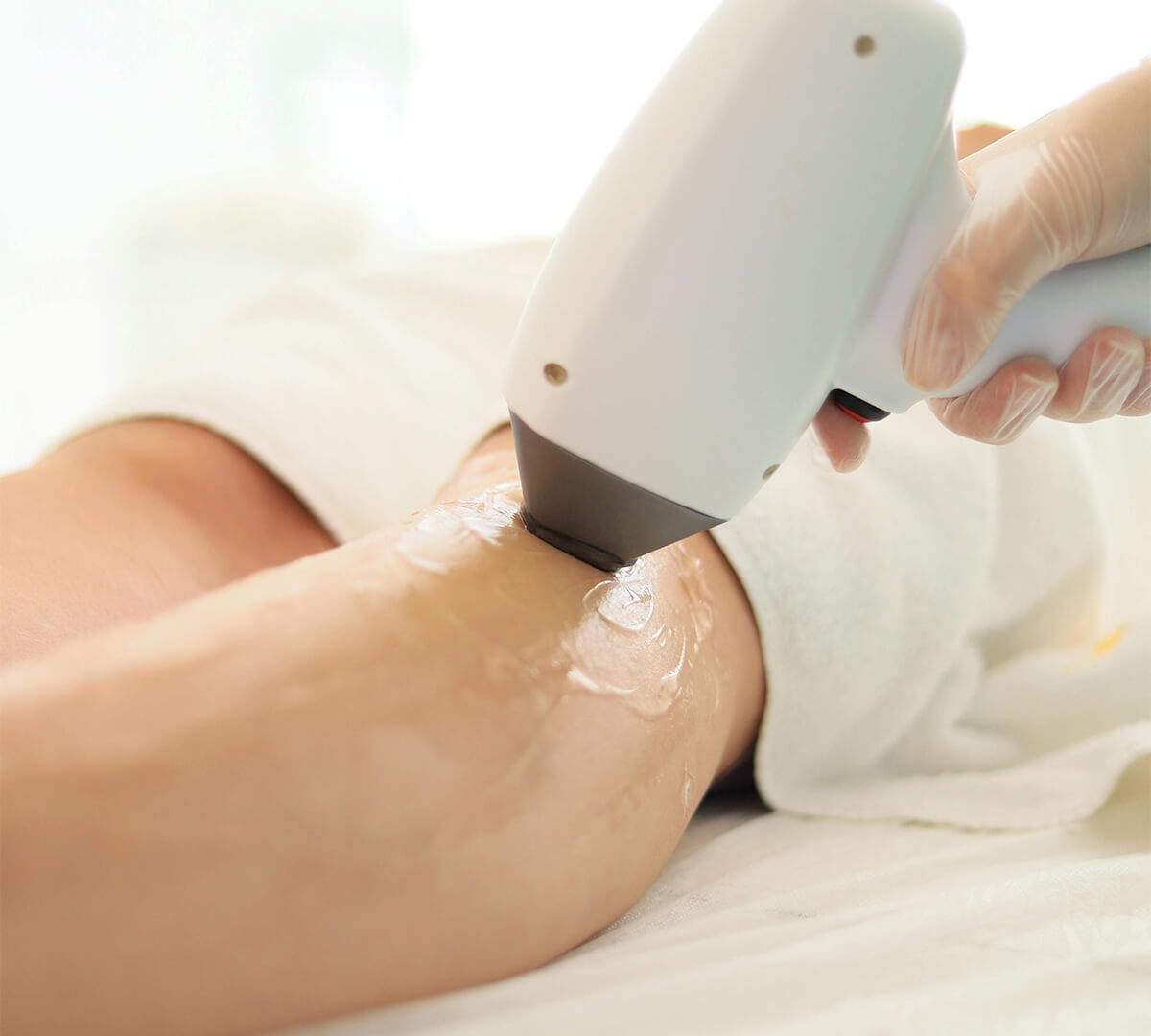
Laser resurfacing treatments use concentrated light energy to remove damaged skin and trigger new collagen formation beneath the surface. Fractional laser therapy, such as CO₂ or Er:YAG lasers, treats tiny sections of skin at a time, leaving surrounding tissue intact to speed up healing.
The laser energy helps resurface the skin and remodel scar tissue, softening its appearance and creating a more even surface. Laser treatments are especially effective for boxcar and rolling scars, and results typically continue to improve for several months after each session as collagen develops.
Laser resurfacing may involve a few days of redness and mild peeling afterward, but the outcome is often smoother, clearer skin with a visible reduction in scarring.
The number of sessions you’ll need depends on the type and depth of your scars, as well as your skin type and the treatments being used.
Most clients start to notice visible improvement after three to six sessions, although deeper scars may require a longer course or combination therapy. Treatments such as microneedling are usually spaced four to six weeks apart, while laser resurfacing may be performed every few months due to its deeper action and recovery time.
Your practitioner will create a personalised plan based on your skin and goals. It’s important to understand that acne scar treatment is a gradual process. Results build with time as collagen remodels beneath the surface. With the right course, you can achieve a smoother, more even complexion that continues to improve for months after your final session.
The cost of acne scar treatment varies depending on the type of treatment, the size of the area being treated, and the number of sessions required. Treatments such as chemical peels or microneedling are usually at the lower end of the scale, while more advanced laser resurfacing can cost more due to the technology involved and the level of expertise required.
Below is a general guide to typical UK prices:
Because acne scar treatment is highly individual, most clinics offer tailored treatment plans and package pricing after your consultation. The practitioner will assess your skin, determine which treatments are most suitable, and recommend the best combination for your goals and budget.
For long-term improvement, acne scar treatments are often combined. For example, microneedling can be used to stimulate collagen, while laser resurfacing targets texture and pigmentation. In some cases, subcision or chemical peels may be added to enhance results even further.
Combining treatments allows your practitioner to target different layers of the skin at once, achieving a more even and refined result. Once your main course of treatment is complete, maintenance sessions every six to twelve months can help sustain smoother skin and encourage ongoing collagen renewal.
While acne scars rarely disappear completely, modern treatments can significantly reduce their appearance and improve the skin’s overall texture and tone. Many clients see dramatic improvements after just a few sessions, and results continue to build over time.
It’s important to have realistic expectations. Acne scarring can be improved but not completely erased. With the right combination of treatments and consistent aftercare, your skin can become noticeably smoother and more even.
Your practitioner will assess your skin during consultation and recommend a personalised treatment plan tailored to your scar type, skin tone, and individual needs.
Acne scar treatments such as laser resurfacing and microneedling are very safe when performed by qualified practitioners using medical-grade equipment. Each treatment is carefully tailored to your skin type, scar pattern, and sensitivity to ensure the best results with minimal risk.
Before starting, a full consultation and skin assessment are carried out, including a patch test if required. You’ll discuss your medical history, skin concerns, and expectations so the practitioner can choose the safest and most effective approach.
Temporary redness, mild swelling or slight flaking can occur after treatment, but these effects are short-lived and part of the skin’s natural healing process. By following the aftercare advice provided, such as avoiding sun exposure and using recommended skincare, the risk of side effects is very low.
To achieve the best and longest-lasting results, it’s important to look after your skin both before and after treatment. Managing any ongoing acne is essential, as new breakouts can cause fresh scars.
Your practitioner can recommend a tailored skincare routine to help control oil, reduce inflammation and support healing. This might include gentle cleansers, targeted serums, and regular use of sunscreen to protect new skin cells as they form.
Healthy habits such as maintaining a balanced diet, staying hydrated and avoiding picking or squeezing spots will also support your results. Taking care of your skin between treatments helps maintain smoother, clearer and healthier-looking skin for the long term.
See genuine feedback from patients who had phenomenal acne scar treatment results with one of our recommended UK clinics below.
5 star rating, based on 50+ Google reviews
“The personalised approach addressed the root cause of my acne. The results have exceeded my expectations.”
5 star rating, based on 100+ Google reviews
“It was definitely the right decision to choose Serenity Aesthetics… Sean is very caring, highly skilled… The results from my treatment were amazing.”
4.9 star rating, based on 190+ Google reviews
“Dr Fatima has transformed my previously acne prone skin – my scarring and pitting has completely reduced and my skin is no longer textured.”
5 star rating, based on 65+ Google reviews
“Dr. Filiz has been invaluable in helping me clear up my acne. My skin is so much smoother and even now! I would definitely recommend.”
5 star rating, based on 360+ Google reviews
“Kristeen has been very helpful and the results are good. Planning to be back again.”
Join the UK’s most trusted aesthetic and skin clinic platform. Connect with thousands of qualified patients actively searching for your treatments.
Showcase your expertise, display verified reviews, and grow your practice.
| Cookie | Duration | Description |
|---|---|---|
| cookielawinfo-checkbox-analytics | 11 months | This cookie is set by GDPR Cookie Consent plugin. The cookie is used to store the user consent for the cookies in the category "Analytics". |
| cookielawinfo-checkbox-functional | 11 months | The cookie is set by GDPR cookie consent to record the user consent for the cookies in the category "Functional". |
| cookielawinfo-checkbox-necessary | 11 months | This cookie is set by GDPR Cookie Consent plugin. The cookies is used to store the user consent for the cookies in the category "Necessary". |
| cookielawinfo-checkbox-others | 11 months | This cookie is set by GDPR Cookie Consent plugin. The cookie is used to store the user consent for the cookies in the category "Other. |
| cookielawinfo-checkbox-performance | 11 months | This cookie is set by GDPR Cookie Consent plugin. The cookie is used to store the user consent for the cookies in the category "Performance". |
| viewed_cookie_policy | 11 months | The cookie is set by the GDPR Cookie Consent plugin and is used to store whether or not user has consented to the use of cookies. It does not store any personal data. |