
Medically reviewed by: [Name] Last updated: [Date]
Find a local, verified [Treatment Name] clinic near you. We have [X] trusted and reviewed aesthetic specialists in [Location] to choose from. Compare clinics, read real patient reviews, and browse before-and-after galleries.

A chemical peel is a professional skin treatment that uses a blend of exfoliating acids to remove the outer layer of dead and damaged skin cells. This controlled resurfacing process helps to reveal fresher, smoother and more even skin underneath.
Chemical peels are designed to improve skin texture, tone and clarity. They can soften fine lines, smooth rough patches, and reduce the appearance of blemishes or scarring. Peels can be performed at different depths, depending on your skin concerns and how dramatic you want the results to be.
Over time, skin naturally becomes dull, uneven or congested due to factors such as ageing, sun exposure, and breakouts. A chemical peel can restore a healthy glow by deeply exfoliating and renewing the surface layers of the skin.
People often choose a chemical peel to improve overall skin radiance, even out tone, reduce pigmentation, and minimise signs of ageing. It is also a great option for those looking to refresh their complexion before a special event or as part of a long-term skin rejuvenation plan.
Chemical peels can target a wide range of skin concerns, from mild breakouts to early signs of ageing.
Peels containing ingredients like salicylic acid can help to unclog pores, reduce oil production and calm inflammation, making them ideal for those prone to acne or congestion.
Medium-depth peels work to break down areas of excess pigment, helping to fade sun damage, age spots and post-acne marks for a clearer, more even complexion.
As peels stimulate collagen production, they can soften fine lines and improve skin elasticity, leaving the skin smoother and more youthful in appearance.
Regular peels can improve skin texture by gently resurfacing the upper layers, revealing smoother and softer skin beneath.
By removing dead skin cells and promoting renewal, chemical peels instantly brighten the complexion and restore a natural glow.
During a peel, a carefully chosen blend of acids is applied to the skin for a set amount of time. These acids work by loosening the bonds between old skin cells, allowing them to shed more easily.
This process triggers the body’s natural healing response, encouraging new cell growth and stimulating collagen production. As the treated skin renews, it becomes smoother, clearer and more radiant.
A superficial peel targets only the topmost layer of skin, known as the epidermis. These are gentle and suitable for most skin types, with minimal downtime. Superficial peels are ideal for brightening the complexion, smoothing texture and maintaining healthy skin.
Medium peels penetrate slightly deeper into the skin to address more visible concerns such as fine lines, uneven pigmentation and mild acne scars. You may experience a few days of redness or flaking as the old skin renews itself, but the results are noticeable and long-lasting.
A deep peel targets the deeper dermal layers of the skin and provides more dramatic results. It can improve deeper wrinkles, scars and extensive sun damage. Because deep peels involve longer recovery and are not suitable for all skin types, they are performed under strict medical supervision by highly qualified practitioners.
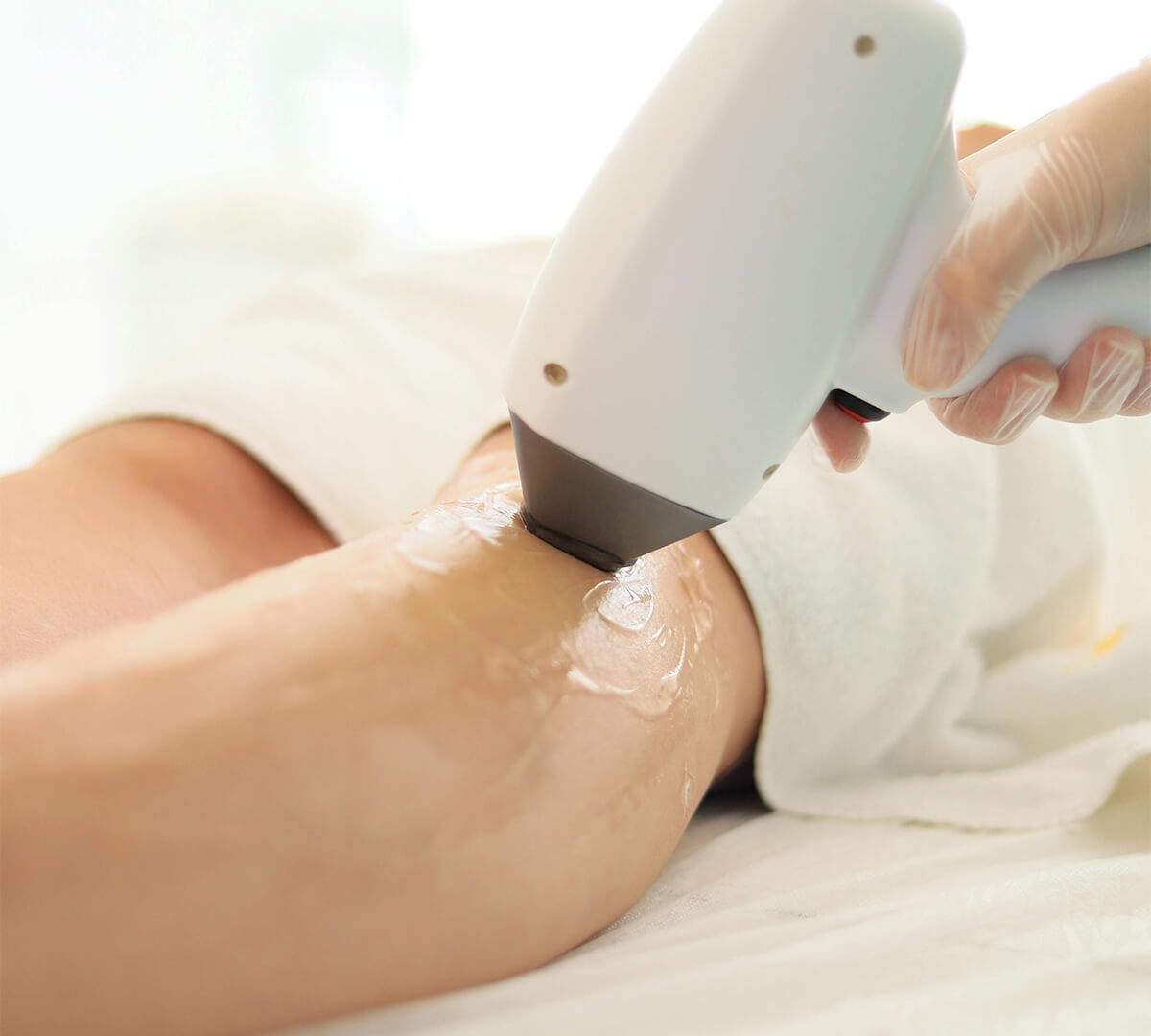
Your treatment begins with a thorough consultation and skin assessment to determine the right peel for your needs.
On the day of your treatment, your skin is cleansed and prepared before the peel solution is applied. You may feel a mild tingling or warmth as the active ingredients work on the surface of the skin. After the desired time, the peel is neutralised or removed, and soothing products are applied to calm and protect your skin.
The entire procedure usually takes around 30 to 45 minutes, making it a convenient option to fit into a busy day.
In the days leading up to your peel, your practitioner may advise you to stop using products that contain retinol, exfoliating acids or other active ingredients. This helps reduce sensitivity and ensures your skin is in the best condition for treatment.
Avoid direct sun exposure and tanning products for at least two weeks before your appointment. Always arrive with clean skin, free of make-up and moisturiser, to allow the peel to work most effectively.
After a chemical peel, your skin may appear slightly red or feel tight, similar to mild sunburn. Over the next few days, light flaking or peeling is common as your skin sheds old cells.
Skin will look fresh and slightly pink, often with a noticeable glow even within 24 hours.
As the new skin regenerates, you may experience mild dryness or flaking. This stage is temporary and varies depending on the depth of the peel.
Once healing is complete, your skin will appear clearer, smoother and more even in tone, with continued improvement over the following weeks as collagen develops.
Chemical peels are very safe when performed by qualified practitioners using medical-grade products. The treatment is controlled and precise, ensuring only the intended layers of skin are affected.
Before your peel, a consultation and patch test may be carried out to ensure your skin tolerates the treatment well. Mild redness, tightness or dryness can occur but fade quickly. With professional care and good aftercare, side effects are minimal and results are consistently reliable.
Chemical peels are suitable for most people looking to improve the appearance and health of their skin.
Your practitioner will assess your medical history and skin type to ensure the treatment is safe and tailored to your needs.
Peels can even out discolouration and restore clarity to the complexion.
Acid-based peels clear out pores and regulate oil production, helping to reduce breakouts and shine.
Peels stimulate cell turnover and collagen production, softening fine lines and improving texture.
A chemical peel may not be suitable for everyone.
Peels should be avoided during pregnancy or while breastfeeding due to increased skin sensitivity.
Anyone with active infections, open wounds, eczema or psoriasis in the treatment area should delay treatment until the skin has healed.
If you are taking strong acne medication such as Roaccutane or have recently used retinol or strong exfoliants, you should wait before having a peel.
People prone to keloid scars or with very reactive skin should discuss this with their practitioner to determine a safer alternative.
Good aftercare is key to achieving the best results and maintaining skin health.
Your skin will be more sensitive to sunlight, so daily SPF 30 or higher is essential.
Keep the skin well-moisturised using a gentle, fragrance-free product to reduce dryness and support healing.
Do not pick or peel flaking skin, and avoid scrubs, exfoliating acids or retinoids for at least one week.
The cost of a chemical peel depends on the strength of the peel, the size of the treatment area, and the number of sessions required.
Most of our recommended clinics offer tailored treatment packages for those wanting multiple treatment sessions. Your practitioner will provide a personalised quote during consultation based on your goals, skin type and the treatments recommended.
Derived from sugar cane, glycolic acid gently exfoliates and brightens the skin, making it a popular choice for dull or uneven complexions.
Ideal for oily or acne prone skin, salicylic acid penetrates deeply into pores to remove excess oil and clear blockages.
A mild exfoliant derived from milk, lactic acid hydrates while gently smoothing the skin, perfect for sensitive skin types.
TCA is used in medium peels to address pigmentation, sun damage and deeper lines, promoting clearer and firmer skin.
Phenol is used in deeper peels for advanced resurfacing and dramatic rejuvenation. Because of its strength, it is only used by medical professionals in controlled settings.
Yes. Many clients choose to combine chemical peels with treatments such as microneedling, laser resurfacing or injectable skin boosters. This approach can target multiple layers of the skin, addressing texture, pigmentation and hydration all at once.
Your practitioner will design a safe and balanced plan that complements your skin’s needs and enhances overall results.
Superficial peels can be repeated every few weeks as part of a regular skincare routine. Medium peels are generally carried out every few months, while deep peels are performed once due to their intensity and long-lasting effects.
Your practitioner will recommend a schedule that maintains results while keeping your skin healthy and balanced.
Chemical peels can be tailored for every skin type, including sensitive and darker skin tones.
For lighter skin, stronger acids can often be used safely. For darker skin, gentler formulations such as lactic or mandelic acid are preferred to reduce the risk of pigmentation changes.
A professional consultation ensures the peel is safe, effective and perfectly matched to your individual skin needs.
At-home exfoliating products are useful for maintaining healthy skin, but they work at a much shallower level than professional peels.
Professional peels penetrate deeper into the skin and are performed under controlled conditions to ensure even results and minimal irritation. Using strong acids at home can cause damage if not applied correctly, which is why professional guidance is essential.
After a number of chemical peels, most people notice their skin looks brighter, smoother and more even in tone. Fine lines, pigmentation and blemishes are reduced, and your skin feels softer and more youthful.
With regular treatments (often recommended) and a consistent skincare routine, your results can continue to improve and last for many months.
See genuine feedback from patients who had a great Chemical peel experience with one of our recommended UK skin clinics.
5star rating, based on 40+ Google reviews
“I went to Kelly having had no previous aesthetics treatments previously. She was friendly, informative & professional, gave me all the information I needed to make a decision”
4.9 star rating, based on 25+ Google reviews
“was warm, welcoming, and made me feel at ease. He asked what results I wanted, listened and gave clear options. The results have never disappointed and I often recommend him to friends and family.”
5star rating, based on 10+ Google reviews
“had a chemical peel with Stacey, felt comfortable and relaxed, found Stacey very knowledgeable, and the aftercare and explanation of what to expect post-peel were excellent – would “100% recommend”
4.8 star rating, based on 30+ Google reviews
“I’ve been back for a chemical peel and had glowing skin for weeks afterwards”
5 star rating, based on 75+ Google reviews
“I had such an amazing experience with Chantal at CKS Aesthetics. She’s honestly been the best, I’m so glad I found someone I trust.”
Join the UK’s most trusted aesthetic and skin clinic platform. Connect with thousands of qualified patients actively searching for your treatments.
Showcase your expertise, display verified reviews, and grow your practice.
| Cookie | Duration | Description |
|---|---|---|
| cookielawinfo-checkbox-analytics | 11 months | This cookie is set by GDPR Cookie Consent plugin. The cookie is used to store the user consent for the cookies in the category "Analytics". |
| cookielawinfo-checkbox-functional | 11 months | The cookie is set by GDPR cookie consent to record the user consent for the cookies in the category "Functional". |
| cookielawinfo-checkbox-necessary | 11 months | This cookie is set by GDPR Cookie Consent plugin. The cookies is used to store the user consent for the cookies in the category "Necessary". |
| cookielawinfo-checkbox-others | 11 months | This cookie is set by GDPR Cookie Consent plugin. The cookie is used to store the user consent for the cookies in the category "Other. |
| cookielawinfo-checkbox-performance | 11 months | This cookie is set by GDPR Cookie Consent plugin. The cookie is used to store the user consent for the cookies in the category "Performance". |
| viewed_cookie_policy | 11 months | The cookie is set by the GDPR Cookie Consent plugin and is used to store whether or not user has consented to the use of cookies. It does not store any personal data. |